The fashion industry has always been about pushing boundaries, but never has innovation moved this fast. Artificial intelligence is transforming how designers create, how brands predict trends, and how consumers experience fashion. From algorithms that can predict next season’s must-have colors to AI systems that generate entirely new textile patterns, we’re witnessing a revolution that’s reshaping the entire fashion landscape.
This transformation isn’t just about fancy technology—it’s about solving real problems. Fashion brands are using AI to reduce waste, create personalized shopping experiences, and streamline production processes that have remained largely unchanged for decades. The result? A more sustainable, efficient, and creative industry that’s better equipped to meet the demands of modern consumers.
Understanding AI in Fashion Design
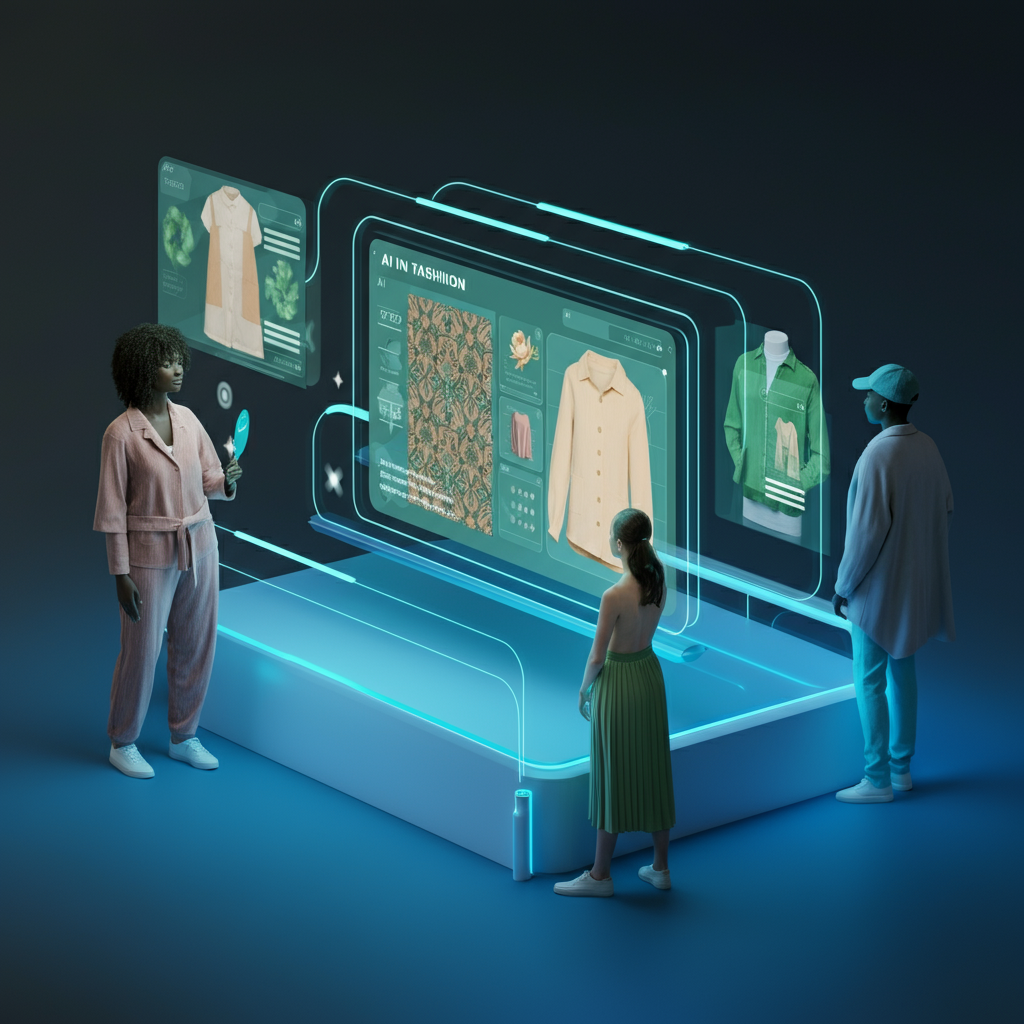
Artificial intelligence and machine learning are no longer futuristic concepts—they’re practical tools that fashion professionals use daily. AI refers to computer systems that can perform tasks typically requiring human intelligence, while machine learning is a subset of AI that allows systems to learn and improve from experience without being explicitly programmed.
The fashion industry’s relationship with AI began in the early 2000s when retailers like Amazon started using recommendation algorithms. However, the real breakthrough came around 2015 when deep learning technologies became sophisticated enough to analyze complex visual data like clothing patterns, colors, and styles. Companies like Stitch Fix pioneered the use of AI for personalized styling, while luxury brands began experimenting with AI-powered trend forecasting.
Today, AI applications in fashion range from predictive analytics that help brands anticipate consumer demand to generative algorithms that create entirely new designs. Major fashion houses like Burberry, H&M, and Zara have integrated AI into their design processes, supply chain management, and customer experience strategies.
AI-Powered Design Tools
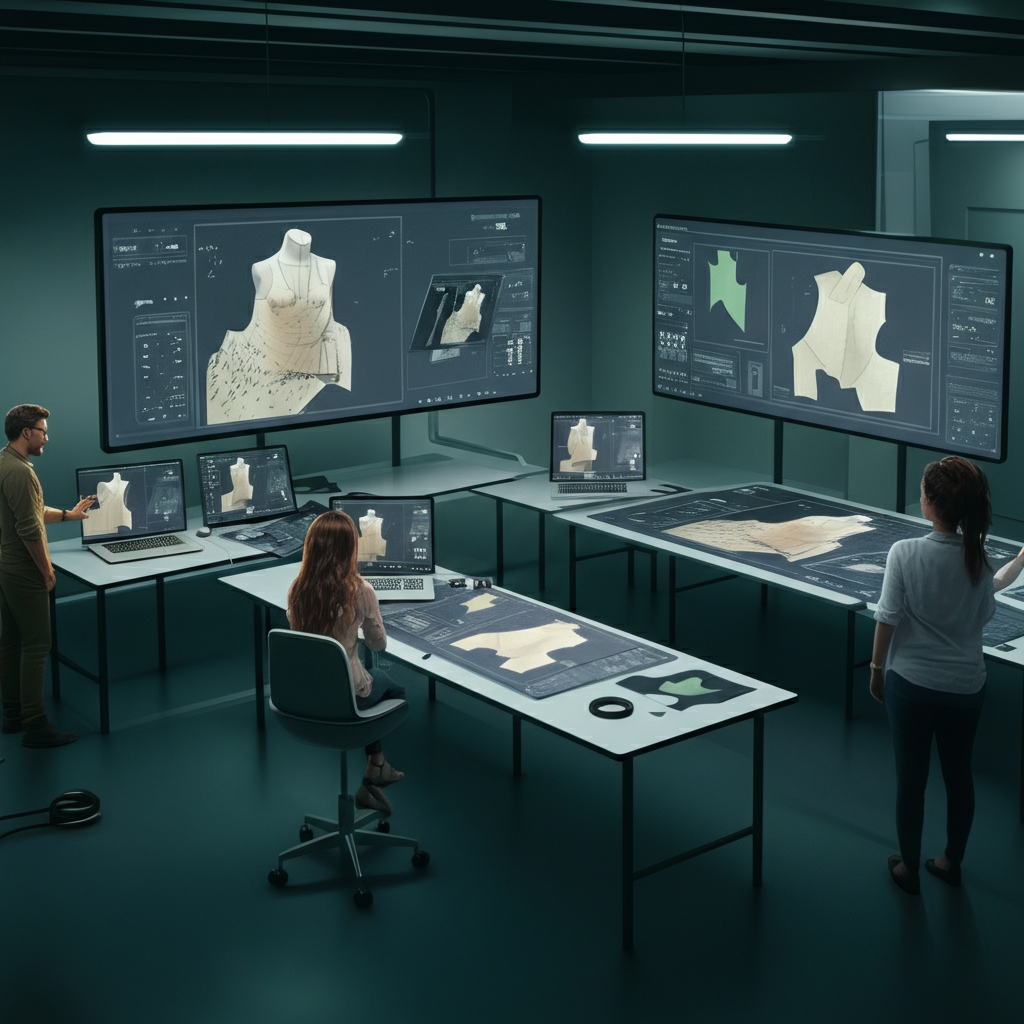
The creative process in fashion design has been revolutionized by AI tools that can analyze trends, generate patterns, and even create virtual prototypes. These technologies aren’t replacing human creativity—they’re amplifying it by handling data-intensive tasks that would take humans weeks to complete.
Trend Forecasting and Pattern Generation
AI excels at processing vast amounts of visual data to identify emerging trends. Platforms like WGSN and Trendalytics use machine learning algorithms to analyze social media posts, runway shows, and street style photography to predict what consumers will want six months before they know it themselves. These systems can identify subtle shifts in color preferences, silhouette trends, and fabric choices with remarkable accuracy.
Generative Adversarial Networks (GANs) have become particularly powerful for creating new patterns and designs. These AI systems pit two neural networks against each other—one generating new designs and another evaluating their quality. The result is an endless stream of original patterns that can inspire human designers or be used directly in production.
Virtual Prototyping and 3D Modeling
Traditional fashion design involves creating physical samples, which is time-consuming and wasteful. AI-powered 3D modeling tools like Browzwear and CLO3D allow designers to create virtual garments that look and behave like real fabric. These tools can simulate how different materials will drape, stretch, and move, giving designers confidence in their creations before a single thread is cut.
The impact on sustainability is significant. Virtual prototyping can reduce sample production by up to 50%, cutting both costs and environmental impact. Designers can experiment with different materials, colors, and fits without the traditional constraints of physical sampling.
Comparison of Leading AI Design Tools
| Tool | Primary Function | Key Features | Target Users |
|---|---|---|---|
| Browzwear | Virtual prototyping | 3D visualization, fabric simulation | Fashion designers, brands |
| CLO3D | 3D garment design | Pattern creation, animation | Technical designers, manufacturers |
| Adobe Sensei | Creative enhancement | Auto-tagging, color matching | Graphic designers, marketers |
| WGSN | Trend forecasting | Trend analysis, consumer insights | Fashion buyers, planners |
| Fashwell | Visual recognition | Product tagging, style analysis | E-commerce, retailers |
Streamlining the Fashion Supply Chain
The fashion supply chain is notoriously complex, involving multiple stakeholders across different continents. AI is bringing much-needed efficiency and transparency to this intricate network, helping brands reduce costs while improving quality and sustainability.
Supply chain optimization through AI addresses some of fashion’s biggest challenges: overproduction, inventory management, and quality control. Machine learning algorithms can analyze historical sales data, weather patterns, economic indicators, and social media trends to predict demand with unprecedented accuracy.
Demand Forecasting and Inventory Management
Traditional demand forecasting relies heavily on historical sales data and human intuition. AI systems can process thousands of additional data points, including social media sentiment, weather forecasts, economic indicators, and even political events that might influence consumer behavior. Companies like Zara use AI to optimize their inventory levels, reducing both stockouts and overstock situations.
The financial impact is substantial. Accurate demand forecasting can reduce inventory costs by 20-30% while improving customer satisfaction through better product availability. AI systems can also identify slow-moving items early, allowing for strategic markdowns that maximize revenue recovery.
Production Optimization and Quality Control
AI is revolutionizing manufacturing processes by optimizing production schedules, predicting equipment maintenance needs, and automating quality control. Computer vision systems can inspect fabrics for defects, check garment construction, and ensure color consistency across production runs.
Smart factories equipped with AI can adjust production parameters in real-time based on quality feedback, reducing waste and improving efficiency. These systems can detect subtle variations in fabric properties or construction techniques that human inspectors might miss.
Pros and Cons of AI in the Supply Chain
Pros:
- Improved demand forecasting accuracy
- Reduced inventory costs and waste
- Enhanced quality control
- Faster response to market changes
- Better supplier relationship management
Cons:
- High initial implementation costs
- Need for skilled technical personnel
- Potential job displacement in traditional roles
- Dependence on data quality and availability
- Risk of system failures disrupting operations
Personalization and Customer Experience
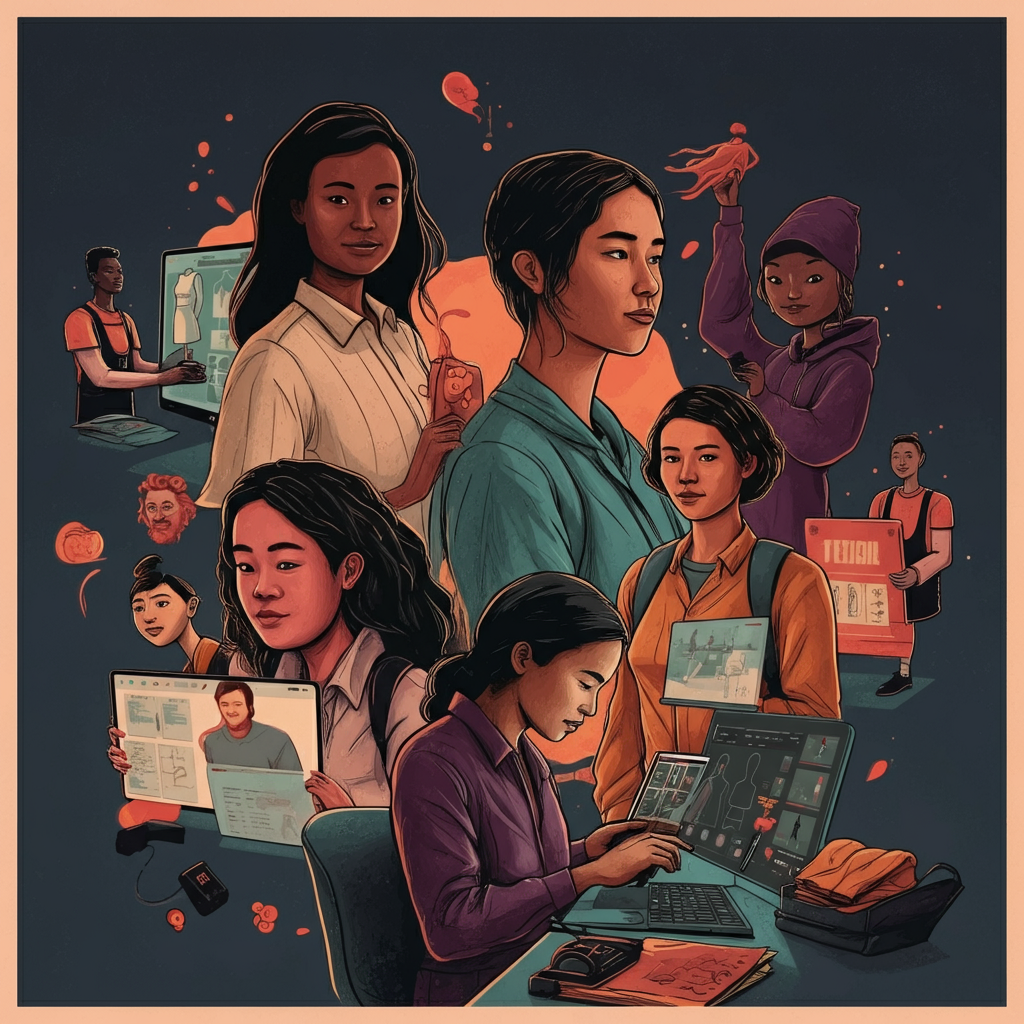
The modern consumer expects personalized experiences, and AI is making this possible at scale. Fashion brands are using artificial intelligence to create individualized shopping experiences that were previously only available to high-end personal shopping clients.
Personalization in fashion goes beyond simple product recommendations. AI systems analyze customer behavior, purchase history, body measurements, style preferences, and even social media activity to create comprehensive style profiles. This data enables brands to offer truly personalized experiences across every touchpoint.
AI-Powered Recommendations and Virtual Styling
Recommendation engines have evolved far beyond “customers who bought this also bought that.” Modern AI systems consider factors like body type, lifestyle, climate, and personal style preferences to suggest items that customers are likely to love. Stitch Fix’s algorithms consider over 85 attributes when selecting items for each customer, resulting in significantly higher satisfaction rates than traditional retail.
Virtual styling services use AI to create complete outfits based on individual preferences and occasions. These systems can suggest how to style existing wardrobe pieces with new purchases, helping customers maximize the value of their clothing investments.
Virtual Try-On Technology
Augmented reality combined with AI is solving one of e-commerce’s biggest challenges: the inability to try on clothes before buying. Virtual try-on technology uses computer vision to map clothing onto customers’ bodies, showing how garments will look and fit. This technology has proven particularly effective for accessories, shoes, and makeup, with some brands reporting 30-40% increases in conversion rates.
The technology continues to improve, with newer systems able to simulate how different fabrics will drape and move on different body types. This advancement is crucial for reducing return rates, which plague the fashion e-commerce industry.
Benefits of Personalized Fashion Experiences
- Increased customer satisfaction: Personalized recommendations lead to higher satisfaction rates
- Reduced return rates: Better fit and style matching decreases returns by 20-30%
- Higher conversion rates: Personalized experiences can increase purchase likelihood by up to 40%
- Enhanced brand loyalty: Customers feel understood and valued, leading to repeat purchases
- Improved inventory turnover: Better matching of products to customers reduces slow-moving inventory
- Cost reduction: Fewer returns and exchanges reduce operational costs
Sustainability and Ethical Considerations

The fashion industry faces mounting pressure to become more sustainable and ethical. AI is emerging as a powerful tool for addressing these challenges, from reducing waste in production to ensuring ethical sourcing practices.
Sustainability in fashion isn’t just about using eco-friendly materials—it’s about creating a circular economy where waste is minimized and resources are used efficiently. AI contributes to this goal by optimizing every aspect of the fashion lifecycle, from design and production to consumption and disposal.
Reducing Waste Through Smart Design
AI algorithms can analyze the environmental impact of different design choices, helping designers make more sustainable decisions. These systems can suggest alternative materials, construction methods, or design modifications that reduce environmental impact without compromising aesthetics or functionality.
Predictive analytics help brands produce closer to actual demand, reducing overproduction—one of the fashion industry’s biggest sustainability challenges. By accurately forecasting demand, brands can avoid creating excess inventory that often ends up in landfills.
Ethical Sourcing and Supply Chain Transparency
AI-powered supply chain monitoring systems can track products from raw material to finished garment, ensuring ethical sourcing practices. These systems can identify potential issues like unfair labor practices, environmental violations, or quality problems before they become major scandals.
Blockchain technology combined with AI creates immutable records of product provenance, giving consumers confidence in the ethical credentials of their purchases. This transparency is increasingly important to conscious consumers who want to make informed buying decisions.
Addressing Concerns About Job Displacement
The integration of AI in fashion raises legitimate concerns about job displacement. While AI will automate certain tasks, it’s also creating new opportunities for skilled workers who can work alongside intelligent systems. The key is ensuring that workers are retrained and reskilled to take advantage of these new opportunities.
Fashion companies implementing AI must consider the human impact of their technology choices. The most successful implementations involve workers in the process, providing training and support to help them adapt to new roles and responsibilities.
The Future of Fashion Design with AI
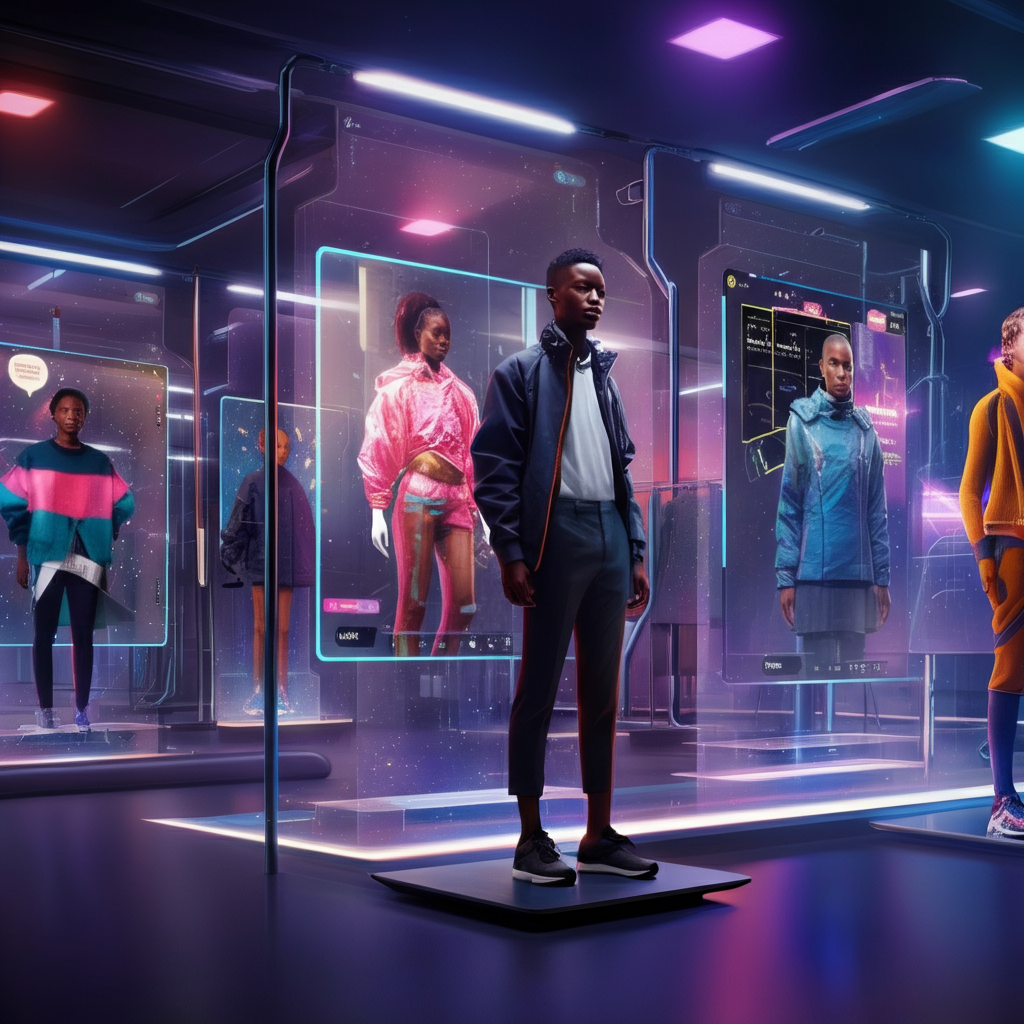
The next decade promises even more dramatic changes as AI technology continues to evolve. Emerging technologies like quantum computing, advanced neural networks, and brain-computer interfaces will open new possibilities for fashion design and manufacturing.
The role of human designers isn’t diminishing—it’s evolving. While AI handles data analysis, trend prediction, and routine tasks, human designers focus on creative vision, brand storytelling, and emotional connection with consumers. This collaboration between human creativity and machine intelligence is producing results that neither could achieve alone.
Emerging Technologies and Trends
Generative AI is becoming more sophisticated, with systems capable of creating not just patterns and designs but entire fashion collections based on brand guidelines and consumer preferences. These systems can generate hundreds of variations on a theme, giving designers a rich palette of options to refine and develop.
Augmented reality is moving beyond virtual try-ons to create immersive design experiences. Designers can work in virtual environments, manipulating 3D garments with hand gestures and seeing their creations come to life in real-time.
Predictions for the Next 5-10 Years
The fashion industry